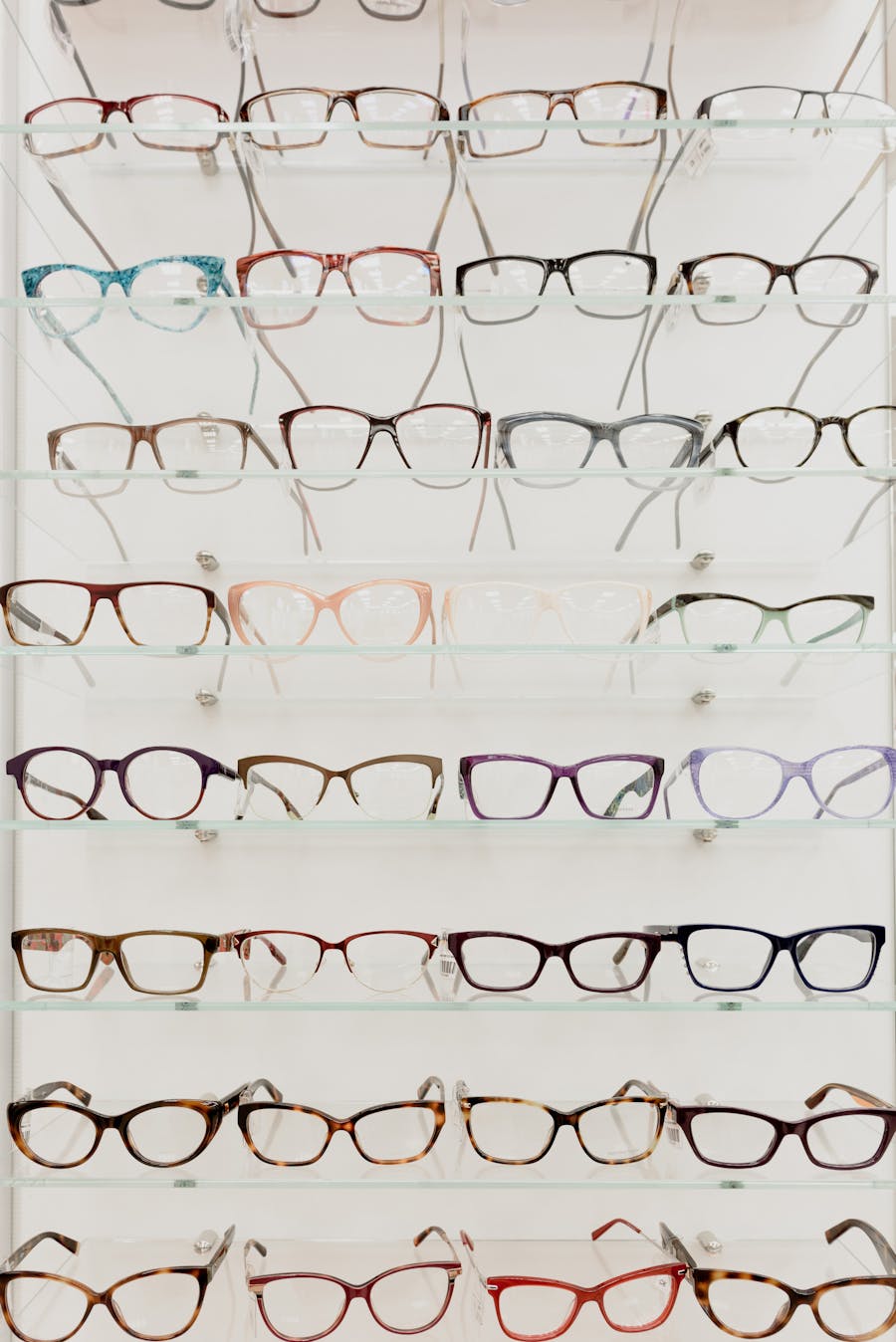
Quick answer: lens thinning is more likely to be worth it for stronger prescriptions, larger frames, semi-rimless styles and buyers who dislike visible lens thickness. It is less likely to be worth it for mild prescriptions, small frames or spare pairs where budget matters more than lens appearance.
When you buy glasses online, lens thinning is one of the upgrades most likely to change the basket price. It can be genuinely useful, but it is also easy to buy automatically because the checkout makes standard lenses sound basic.
The better question is not whether thinning is good. It is whether your prescription and frame choice will benefit enough to justify the extra cost.
What lens thinning actually means
Lens thinning usually means choosing a higher-index lens material. Higher-index lenses bend light more efficiently, so the lens can be made slimmer than a standard lens for the same prescription. The result may be a thinner edge, lower weight and a neater appearance.
The effect is not the same for everyone. A mild prescription may show little visual difference. A stronger prescription, especially in a larger frame, can show a much bigger difference.
When lens thinning is more likely to be worth paying for
Lens thinning is most useful when lens thickness would otherwise be visible or uncomfortable. It can help if you have a stronger prescription, want larger frames, are choosing a thin metal frame, or care about reducing edge thickness.
- You have a moderate to strong prescription.
- You are choosing larger frames.
- You want a thinner-looking lens edge.
- You dislike heavy glasses.
- You are buying semi-rimless or delicate-looking frames.
- You are ordering a pair you will wear every day rather than an occasional spare.
Frame choice can matter as much as thinning
The frame you choose can make lens thickness better or worse. Smaller, rounder frames often keep thickness neater because less lens material is needed at the edges. Large square frames can exaggerate thickness, especially for stronger prescriptions.
Before paying for thinning, ask whether a different frame shape would solve part of the problem. Sometimes the best upgrade is choosing a frame that works better with your prescription.
| Frame choice | Effect on thickness |
|---|---|
| Small round frame | Often helps reduce visible edge thickness. |
| Large square frame | Can make thicker edges more noticeable. |
| Rimless or semi-rimless | May make edge thickness more visible. |
| Thick acetate frame | Can hide some edge thickness better. |
How to compare the cost properly
Build two baskets: one with standard lenses and one with the thinning option you are considering. Keep everything else the same. Then ask what you are really buying: lighter weight, thinner appearance, better comfort, or simply reassurance.
If the upgrade is modest and the glasses are your main everyday pair, it may be easy to justify. If the upgrade doubles the cost of a spare pair, it may not be the best use of the budget.
How prescription strength changes the decision
Lens thinning becomes more useful as the lens power, frame size and cosmetic expectations increase. A mild prescription in a small frame may look fine with standard lenses. A stronger minus prescription in a wide frame can show thicker edges, while a stronger plus prescription may create more centre thickness and magnification.
The exact result depends on the prescription, lens material and frame shape, so treat any retailer recommendation as a starting point. If the prescription is strong, compare a smaller frame and a thinner lens option before deciding which gives the better result for the money.
| Mild prescription | Standard lenses may be enough, especially in smaller frames. |
|---|---|
| Moderate prescription | Thinning may improve comfort or appearance, but frame choice still matters. |
| Strong prescription | Compare lens index, frame size and optician advice before choosing online. |
When thinning may not be necessary
Lens thinning is less important for mild prescriptions, small frames, chunky acetate styles that hide lens edges, and occasional-use glasses. It may also be less important if you are buying a cheap backup pair and appearance is not the priority.
That does not mean you should never choose it. It means you should choose it for a visible or comfort benefit, not because the checkout nudges you toward the premium option.
Other lens upgrades to compare
Anti-reflection coating, scratch-resistant coating, UV protection, tints and blue-light options may appear alongside thinning. Some are more useful than others depending on how you use the glasses. If the budget is limited, prioritise the upgrades that solve a real problem for your prescription and lifestyle.
Lens thinning checklist
- Check whether your prescription is strong enough to benefit.
- Compare frame size before paying for thinner lenses.
- Build the basket with and without thinning.
- Ask whether a smaller frame would reduce the need for thinning.
- Prioritise thinning for everyday glasses over rarely used spares.
- Use optician advice for complex prescriptions or multifocals.
Frequently asked questions
Does everyone need thinner lenses?
No. Many mild prescriptions look and feel fine with standard lenses, especially in smaller frames. Thinner lenses become more relevant as prescription strength, frame size or cosmetic expectations increase.
Is 1.67 or 1.74 lens thinning better?
A higher index can be thinner, but it is not always the best value. The right option depends on your prescription, frame size and retailer pricing. If the jump in price is large, ask whether a smaller frame would achieve a similar visual improvement.
Can lens thinning make glasses clearer?
Thinning is mainly about thickness, weight and appearance rather than automatically improving clarity. Lens design, coating quality, accurate measurements and correct prescription entry are just as important for comfortable vision.
Where to compare next
If you are trying to keep costs down, read the cheap prescription glasses guide. If you are still unsure how prescription, PD and frame size fit together, start with the online glasses buying guide before choosing a retailer.